
How to Store Ink Cartridges Properly: A Complete Guide
| Sep 22, 2026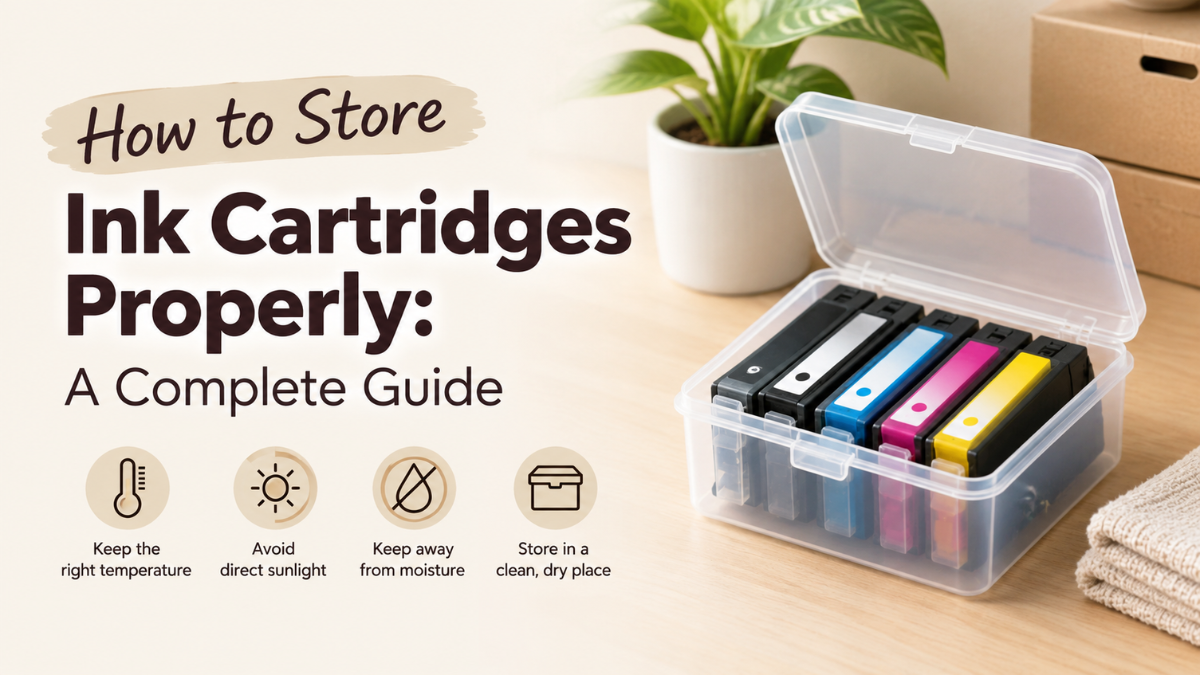
Buying extra ink cartridges can save you time and money, especially when you print regularly or find a good deal on your favorite cartridges. But if you don’t plan to use them right away, knowing how to store ink cartridges properly is important. Proper storage can help prevent leaks, drying, and other problems that may affect print quality.
If you’ve ever wondered why ink cartridges dry out even when you haven’t used them, the way you store them may be part of the problem. Learning how to preserve printer ink can help keep your cartridges in good condition until you’re ready to install them.
Whether you keep a spare cartridge at home, buy ink in bulk, or only print occasionally, these simple storage tips can help you get the most out of your printer ink.
Why Proper Ink Cartridge Storage Matters
Ink cartridges aren’t meant to sit anywhere indefinitely. Exposure to heat, sunlight, air, moisture, or extreme temperature changes can affect the ink and cartridge components over time.
Proper storage can help:
- Keep the ink from drying out
- Reduce the risk of leaks
- Protect the cartridge from damage
- Maintain good print quality
- Extend the usable life of unopened cartridges
- Make sure your spare cartridges are ready when you need them
If you don’t print often, storing your extra cartridges correctly becomes even more important. A cartridge that has been sitting in a hot room, garage, or near a window may not perform the same way as one kept in a suitable environment.
How to Store Ink Cartridges Properly
So, how to store ink cartridges the right way? The good news is that you don’t need special equipment. A few simple precautions can make a difference.
1. Keep Cartridges in Their Original Packaging
Whenever possible, leave unused ink cartridges sealed in their original packaging until you’re ready to use them.
The packaging is designed to protect the cartridge from air, light, dust, and physical damage. Opening the package too early exposes the cartridge to the surrounding environment unnecessarily.
If you have several cartridges, resist the temptation to open them all at once. Keep each one sealed until you need it.
2. Store Ink in a Cool, Dry Place
One of the most important rules for how to preserve printer ink is choosing the right storage location.
Keep your cartridges somewhere that is:
- Cool and comfortable
- Dry
- Away from direct sunlight
- Away from heaters and appliances that produce heat
- Protected from large temperature changes
A closet, cabinet, or indoor storage area is generally more suitable than a garage, attic, car, or outdoor storage space.
Avoid places that become extremely hot during the day or very cold at night. Temperature extremes can affect the ink and the cartridge.
3. Keep Cartridges Away From Direct Sunlight
Sunlight can heat up the cartridge and may affect the ink inside over time.
Avoid placing spare cartridges on windowsills, desks directly beside sunny windows, or other areas exposed to strong sunlight.
A drawer or cabinet is usually a better choice. Keeping cartridges away from light also helps protect the packaging and cartridge components.
4. Don’t Remove Protective Tape or Covers Too Early
Many ink cartridges come with protective tape, clips, or other coverings. These help protect the cartridge before installation.
Don’t remove them until you’re ready to install the cartridge in your printer. Once removed, the cartridge may be exposed to air, increasing the chance of the ink drying or leaking.
If you accidentally remove protective material from a cartridge, follow the manufacturer’s storage or installation instructions rather than improvising a solution.
5. Store Cartridges in the Correct Position
Keep cartridges in the position recommended by the manufacturer. When the original packaging provides a specific orientation, follow those instructions.
Avoid tossing loose cartridges into a drawer or box where they can move around, become scratched, or have their nozzles damaged.
If you’re storing multiple cartridges, keeping them organized in their original boxes can make it easier to identify the correct cartridge when you need a replacement.
6. Avoid Storing Ink in Extreme Temperatures
Your car trunk, garage, attic, or storage shed may seem convenient, but these areas can experience significant temperature changes.
For example, a cartridge left inside a hot car can be exposed to much higher temperatures than the room where you normally use your printer.
For better results, store ink cartridges inside your home in a stable environment. If the manufacturer’s packaging provides specific temperature recommendations, follow those instructions.
How to Preserve Ink Cartridges When Not in Use
If you’re wondering how to preserve ink cartridges when not in use, the simplest approach is to leave them sealed and store them somewhere cool, dry, and away from direct sunlight.
Here are a few quick reminders:
Keep them sealed. Don’t open an unused cartridge until you need it.
Protect them from heat. Avoid hot rooms, garages, cars, and areas near heaters.
Keep them dry. Don’t store cartridges in damp areas such as bathrooms or near sinks.
Avoid direct sunlight. A cabinet or drawer is preferable to a sunny windowsill.
Keep the packaging. Original packaging provides additional protection.
Use older cartridges first. If you have several cartridges of the same type, consider using the older ones before newer ones.
These simple habits can help make printer ink last longer and reduce the chance that a cartridge will be unusable when you finally need it.
How Long Can You Store Ink Cartridges?
One common question is, how long can you store ink cartridges?
There isn’t one universal answer. Storage life can vary depending on the cartridge, manufacturer, packaging, storage conditions, and expiration or warranty information provided with the product.
An unopened cartridge that has been stored properly may remain usable for a considerable period, but that doesn’t mean it should be stored indefinitely.
Before installing an older cartridge, check the packaging and cartridge for any signs of damage, leakage, or other problems. If the manufacturer provides an expiration or recommended-use date, use that information as your guide.
For a more detailed look at cartridge shelf life, see our guide on how long do printer ink cartridges last.
How to Preserve Printer Ink: Used Ones
Storing an opened cartridge requires more care than storing a sealed one.
Once a cartridge has been opened or installed, it may be exposed to air, which can increase the risk of the ink drying. If you remove a partially used cartridge from your printer, follow the printer or cartridge manufacturer’s instructions for storing it.
Avoid leaving an opened cartridge exposed on a desk or in a drawer without protection. If the manufacturer recommends a particular storage method, follow those instructions.
For more information about the causes and prevention of dried ink, check out our guide on do ink cartridges dry out and what you can do about it.
Common Ink Cartridge Storage Mistakes to Avoid
Even if you know the basics, a few common mistakes can shorten the useful life of your cartridges.
Avoid:
- Leaving cartridges in a hot car
- Storing them beside a heater
- Keeping them in direct sunlight
- Opening sealed cartridges unnecessarily
- Removing protective tape before installation
- Storing them in damp areas
- Throwing loose cartridges into a crowded drawer
- Buying more cartridges than you can reasonably use
Proper storage doesn’t require much effort. The biggest thing is choosing a stable indoor location and keeping unused cartridges protected until you’re ready to use them.
Does Proper Storage Prevent Ink From Expiring?
Proper storage can help protect the cartridge, but it doesn’t necessarily stop ink from aging.
If you’ve had a cartridge stored for a long time, you may also wonder, do ink cartridges expire? Check the cartridge or packaging for any date or manufacturer’s guidance.
Storage conditions matter because heat, sunlight, air exposure, and other environmental factors can affect cartridge performance. However, proper storage cannot guarantee that a cartridge will remain usable forever.
If you’re unsure about an older cartridge, check its condition and your printer manufacturer’s recommendations before installing it.
How to Make Your Ink Cartridges Last Longer
Proper storage is only one part of getting the most from your printer ink.
If you want to make printer ink last longer, consider combining good storage habits with smart printing practices. Print only what you need, use draft or economy mode when appropriate, and avoid unnecessary color printing for documents that don’t require it.
Regular printer use can also help prevent some ink-related problems, particularly for people who rarely print.
Taking care of your cartridges before and after installation can help reduce waste and ensure you get as much use from your ink as possible.
Final Thoughts
Knowing how to store ink cartridges properly can help protect your investment and reduce the chances of wasting ink. Keep unused cartridges sealed, store them in a cool and dry place, protect them from direct sunlight and extreme temperatures, and follow the manufacturer’s storage instructions.
If you’re also learning how to preserve printer ink, remember that small habits can make a difference. Proper storage, careful handling, and smart printing practices can help you get more use from your cartridges.
With the right storage conditions, your spare cartridges can be ready to go when you need them—without unnecessary leaks, drying, or damage.
Frequently Asked Questions
1. What is the best place to store ink cartridges?
The best place is generally a cool, dry indoor location away from direct sunlight and heat sources. A cabinet or drawer can be a convenient option. Keep unused cartridges in their original packaging whenever possible.
2. How to preserve ink cartridges when not in use?
Keep them sealed in their original packaging and store them in a stable indoor environment. Avoid extreme temperatures, humidity, direct sunlight, and unnecessary exposure to air.
3. How long can you store ink cartridges?
How long you can store ink cartridges depends on the cartridge, manufacturer, packaging, and storage conditions. Check the packaging for any expiration or recommended-use information, and inspect older cartridges for signs of damage or leakage before use.
4. Can heat damage stored ink cartridges?
Yes. Excessive heat and large temperature changes may affect the ink and cartridge. Avoid storing cartridges in places such as cars, attics, garages, or near heaters. An indoor location with a stable temperature is generally a better choice.
5. Should I remove a cartridge from its packaging before storing it?
No. For unused cartridges, it’s generally best to leave them sealed in their original packaging until you’re ready to install them. This helps protect the cartridge from air, light, dust, and accidental damage.
Related Articles
Do Ink Cartridges Dry Out? Why It Happens and How to Fix It
How Long Do Printer Ink Cartridges Last? Shelf Life Guide
Do Ink Cartridges Expire? What to Know About Expired Printer Ink